Wai-O-Tapu vs Te Puia vs Waimangu: Which Rotorua Geothermal Park Should You Visit?
Compare Wai-O-Tapu, Te Puia and Waimangu by scenery, culture, walking and tour options. Choose one, pair two or plan all three from Rotorua.
Wai-O-Tapu, Te Puia and Waimangu are often grouped together as Rotorua geothermal attractions, but each has a distinct identity. Wai-O-Tapu concentrates colour, Te Puia combines a natural geyser with Māori culture, and Waimangu offers a broader volcanic landscape to explore on foot.
The featured morning tour below pairs Wai-O-Tapu and Waimangu from Rotorua. It does not include Te Puia; the full-day option covering all three is explained further down.
Check Availability
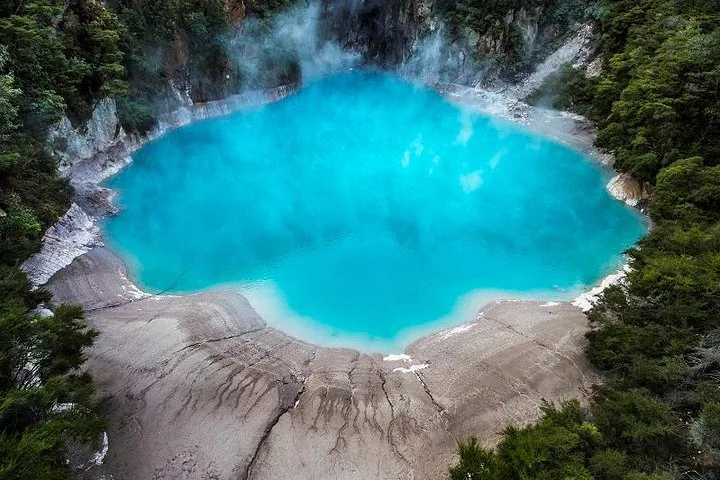
Rotorua based Small Group Morning Tour Waimangu and Wai O Tapu
- 4.8/5 (390 reviews)
- 5 hours
- Free cancellation
- Guide: DE, EN, ES, FR, IT
Includes Hotel pickup and drop-off · Local guide · Driver/guide
You'll choose your date and complete the booking on Viator. Reserve now, pay later on most departures.
Quick answer
Use a simple rule: Wai-O-Tapu = colour; Te Puia = geyser + culture; Waimangu = walking + landscape. If you only have time for one, start with the experience that matters most to your group. If you have a full day, two parks allow more time to enjoy the differences.
Wai-O-Tapu
Wai-O-Tapu is our pick for colourful hydrothermal features, photography, self-guided walking and the famous Champagne Pool. Its three connected walking tracks let independent visitors adjust how much ground they cover. Lady Knox’s fixed morning presentation adds a scheduling constraint if you want to see the geyser as well as the main park.
Wai-O-Tapu admission suits visitors arranging their own transport. For a closer comparison with the cultural option, read Wai-O-Tapu vs Te Puia.
Other Experiences
Other experiences you might enjoy
Choose independent Wai-O-Tapu admission, a guided Te Puia visit or Waimangu’s walk-and-cruise ticket. Arrange transport separately for these attraction bookings.
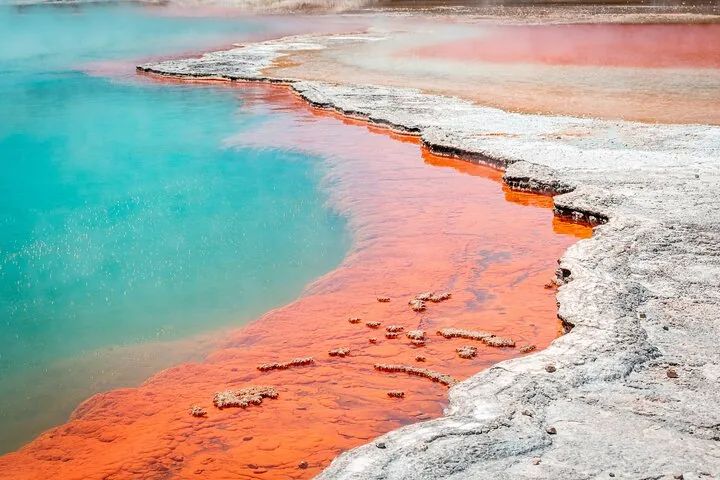 Wai-O-Tapu Thermal Wonderland, Rotorua, New Zealand
Thousands of Years in the Making a Wonderland of Stunning Geothermal Activity.
From $29
Te Puia: Te Rā Guided Experience
Guided geothermal valley visit, Kiwi Conservation Centre and Māori arts and crafts. Meet at Te Puia; select a performance upgrade if wanted.
Check current price
Full Waimangu Experience — Walk & Cruise
Valley admission, a self-guided walk, internal shuttle and a 45-minute Lake Rotomahana cruise. Meet at Waimangu.
Check current price
Wai-O-Tapu Thermal Wonderland, Rotorua, New Zealand
Thousands of Years in the Making a Wonderland of Stunning Geothermal Activity.
From $29
Te Puia: Te Rā Guided Experience
Guided geothermal valley visit, Kiwi Conservation Centre and Māori arts and crafts. Meet at Te Puia; select a performance upgrade if wanted.
Check current price
Full Waimangu Experience — Walk & Cruise
Valley admission, a self-guided walk, internal shuttle and a 45-minute Lake Rotomahana cruise. Meet at Waimangu.
Check current priceTe Puia
Te Puia is the choice for Pōhutu Geyser, Māori culture, guided interpretation, kiwi and traditional arts. Its Rotorua location makes it easier to fit around a stay in town, but the daytime experience still runs at booked departure times. Pōhutu erupts naturally; do not treat its activity as a guaranteed timetable.
The Te Rā Guided Experience takes around 90 minutes and meets at Te Puia. The visit includes the geothermal valley, Kiwi Conservation Centre and Māori arts and crafts. A cultural performance is an optional upgrade; meals and hotel transport are not automatically part of that booking.
Waimangu
Waimangu is best for walking, volcanic history, crater lakes and a broader nature-reserve feeling. Its landscape developed after the 1886 Mount Tarawera eruption, so the appeal is the scale and story of the valley as well as its individual geothermal features.
Choose the self-guided Waimangu walk for a land-based visit or the walk-and-cruise combination to add Lake Rotomahana. The full walk-and-cruise experience needs at least three hours, including a 45-minute cruise; it is not interchangeable with a shorter guided valley stop. Our Wai-O-Tapu vs Waimangu comparison explains the walking choices.
Best two-attraction combinations
| Pairing | Best fit | How to plan it |
|---|---|---|
| Wai-O-Tapu + Te Puia | A varied first visit: colour, geyser and culture | Visit Wai-O-Tapu in the morning for Lady Knox, then reserve a suitable Te Puia departure. |
| Wai-O-Tapu + Waimangu | Geology, photography and landscapes | Choose a Rotorua morning tour, or allow longer independently if adding Waimangu’s cruise. |
| Te Puia + Waimangu | Culture and active walking | Coordinate the Te Puia booking with your Waimangu route and any cruise departure. |
The Wai-O-Tapu and Waimangu morning tour handles the two-park transport from Rotorua. Check its exact walking itinerary: it does not promise the full independent Waimangu walk-and-cruise experience.
For the colour-and-culture pairing, independent visitors can book the two attractions separately. The combined Wai-O-Tapu and Te Puia day trip departs from Auckland, so it is a different choice from a tour picking up at a Rotorua hotel.
Can you do all three in a day?
Yes: the Rotorua full-day Eco Thermal Cultural Tour lists Wai-O-Tapu, Waimangu and Te Puia in one organised itinerary, with Rotorua pickup. Its advertised duration is approximately eight to nine hours. That makes all three a real guided option, rather than merely a theoretical self-drive schedule.
The trade-off is time at each attraction. Do not assume the Waimangu stop includes the lake cruise or that you will complete every independent walking route. Check the selected departure’s itinerary and pickup details before booking.
For a more relaxed independent visit, two parks in a day are a better pace. Spread all three across two days if you want longer walks, photography stops or a Waimangu cruise. That also leaves more room for lunch, weather and driving delays.
Practical planning essentials
- Wai-O-Tapu is about 31 km from Rotorua, roughly a 27-minute drive in normal conditions. Allow a buffer for traffic and parking.
- Published hours are 8:30 AM–4:30 PM, with final admission at 3 PM; the park closes on Christmas Day. Check the official site before travel because operating details can change.
- Lady Knox is presented at 10:15 AM; Wai-O-Tapu recommends arriving by 9:45 AM. See the geyser timing guide before fixing the rest of your day.
- The main geothermal park is self-guided, with three connected walking-track options that let visitors shorten or extend the route.
- Wear comfortable walking shoes and bring layers, rain protection, water, sunscreen and a charged phone or camera.
- There are no toilets inside the main geothermal park or at Lady Knox; use the Visitor Centre facilities first.
Final thoughts
Choose the itinerary around what you actually want to experience rather than trying to collect every Rotorua attraction in one day. Give the geothermal landscape enough time, keep fixed timings such as Lady Knox and booked Te Puia departures in mind, and leave a realistic buffer for driving and weather. For more choices, compare our geothermal tours from Rotorua.
Sources
Checked 23 September 2026: Wai-O-Tapu visitor information, Te Puia experiences, Waimangu walk and cruise, Waimangu FAQs, Rotorua destination information and the linked Viator listings.
Plan Your Rotorua Geothermal Day
Start with the Wai-O-Tapu and Waimangu morning tour, or use the individual attraction links to build your own itinerary.
Check Availability & Book